The Real Cost of Starting a Startup
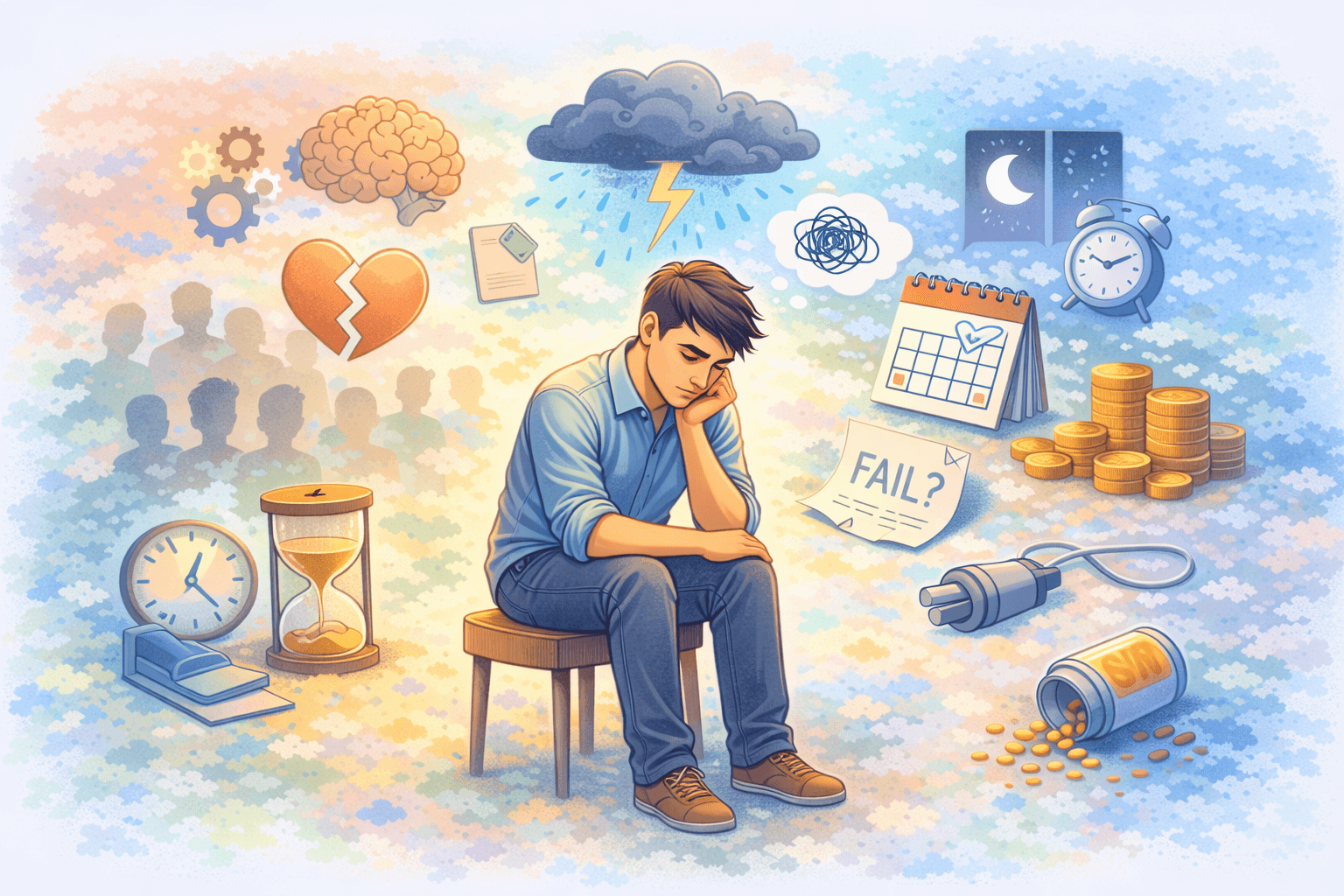
The true cost of a startup isn’t financial—it’s time, mental energy, shifting relationships, and emotional pressure that quietly shape your life.
The Cost Beyond Money
Starting a startup is usually framed as a bold, exciting move. People talk about ideas, execution, growth. What they skip over is the cost that starts accumulating long before anything looks successful. And that cost isn’t just financial. It shows up in how you think, how you spend your time, and how your life slowly rearranges itself around one uncertain goal.
The Cost of Quiet Doubt
One of the earliest costs is doubt. Not the loud kind, but the quiet, persistent kind. Questions from others about stability, backup plans, and practicality begin to seep in. Even when they’re well-intentioned, they force you to constantly justify your choices. Over time, you realise the real challenge isn’t convincing others. It’s learning to trust your own judgement without constant validation.
The Cost of Mental Space
Another cost is mental space. A startup doesn’t end when the workday does. Problems follow you into conversations, meals, and moments meant for rest. Your mind stays partially occupied, running scenarios and solving issues in the background. This constant cognitive load slowly drains focus and peace, even when nothing seems “wrong” on the surface.
The Cost of Time
Time is another invisible expense. Not just the number of hours you work, but how time starts to feel compressed. Weekends blur into weekdays. Breaks come with guilt. Rest feels earned only after progress. You begin trading recovery for momentum, often without realising how long you’ve been doing it.
The Cost of Shifting Relationships
Relationships also change, sometimes subtly. As priorities shift, availability does too. Friends may feel you’re distant. Family may worry or question your decisions. It’s rarely about lack of support. It’s about operating on different timelines and tolerances for risk. That gap creates distance, even when intentions are good.
The Cost of Emotional Volatility
Emotionally, startups are unstable environments. Progress is rarely linear. Good days bring confidence. Slow days bring self-doubt. When results fluctuate, emotions tend to follow. Learning to stay steady through inconsistency becomes essential, but it’s not something most people are prepared for.
The Cost of Identity Attachment
There’s also the risk of attaching your identity too closely to what you’re building. When work becomes personal, performance starts defining self-worth. Success feels validating. Setbacks feel personal. Separating who you are from how the startup is doing is necessary, but difficult, especially early on.
The Cost of Loneliness
Despite being surrounded by people, the journey can feel lonely. Many pressures are hard to explain unless someone is experiencing them firsthand. You hesitate to talk about uncertainty because you don’t want to sound unsure. So you carry it quietly, which adds another layer of strain.
The Cost to Health
Health often absorbs the impact last. Sleep becomes irregular. Meals turn functional. Stress becomes normalised. These habits don’t cause immediate damage, but they accumulate slowly, and the cost usually shows up later.
The Cost of Fear of Failure
Then there’s the fear of failure. Not just the business failing, but the effort being judged as wasted. In many environments, failure isn’t treated as learning. It’s treated as proof that the risk shouldn’t have been taken. That fear alone becomes a heavy mental burden.
The Accumulation of Trade-offs
So the real cost of starting a startup isn’t a single sacrifice. It’s a series of trade-offs that touch almost every part of your life. Some are temporary. Some change you permanently.
The Question That Matters
The question isn’t whether startups are hard. That part is obvious. The real question is whether you’re ready for the quiet, ongoing costs that come with choosing this path.